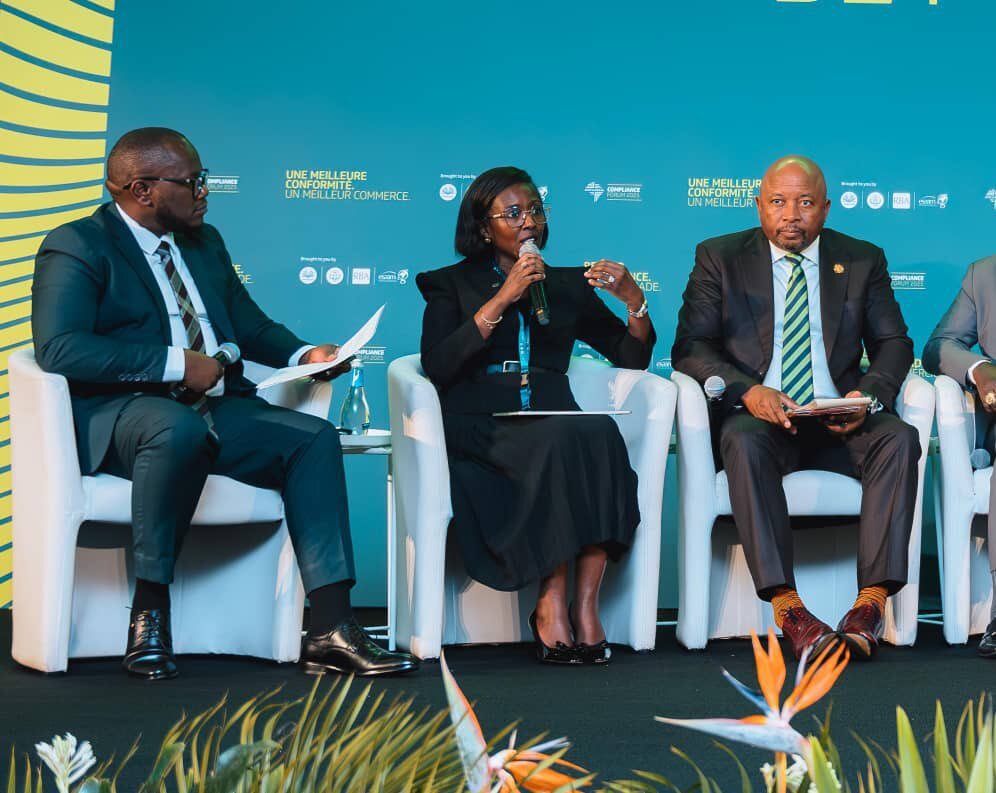
The Afreximbank Compliance Forum 2025 (ACF2025), held in Kigali, Rwanda, brought together regulators, bankers, technologists, and policy leaders from across the continent to discuss the future of compliance and trade in Africa.
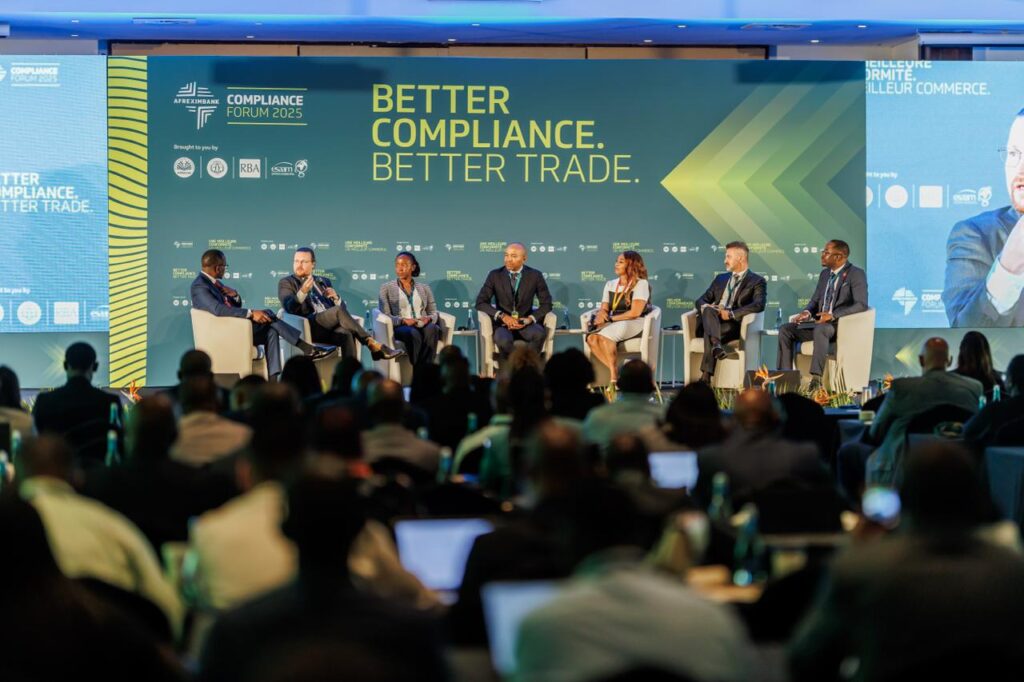
This year’s forum was held under the theme:
“Better Compliance, Better Trade: Embracing AI to Promote and Secure Trade Through a Modern CPF/CFT/AML Compliance Framework.”
AI at the Heart of the Discussions
As the sessions unfolded, one message resonated across panels and keynote conversations: artificial intelligence is redefining the compliance landscape. Participants examined how AI-driven tools can strengthen anti-money laundering (AML), counter-terrorist financing (CFT), and counter-proliferation financing (CPF) frameworks, enabling African financial institutions to detect risks faster, cut down on fraud, and enhance transparency in cross-border transactions.
Driving Innovation Through Digital Platforms
Afreximbank’s leadership in digital transformation has been a recurring theme throughout the forum. Key platforms such as MANSA, a centralized repository for verified corporate data, and the Pan-African Payment and Settlement System (PAPSS), which enables instant cross-border payments in local currencies, are already reshaping Africa’s financial ecosystem.
Delegates emphasized that integrating AI into these platforms will make them even more effective. As Kudakwashe Matereke, Regional Director at Afreximbank, noted, AI can improve verification accuracy, detect fraud faster, and reduce settlement-related risks.
PAPSS, for instance, already allows a trader in Uganda to pay a supplier in Rwanda in Ugandan shillings, with the recipient receiving Rwandan francs, eliminating the need for U.S. dollars or euros. With AI-driven analytics predicting currency fluctuations and flagging anomalies, the system becomes even more secure and efficient.
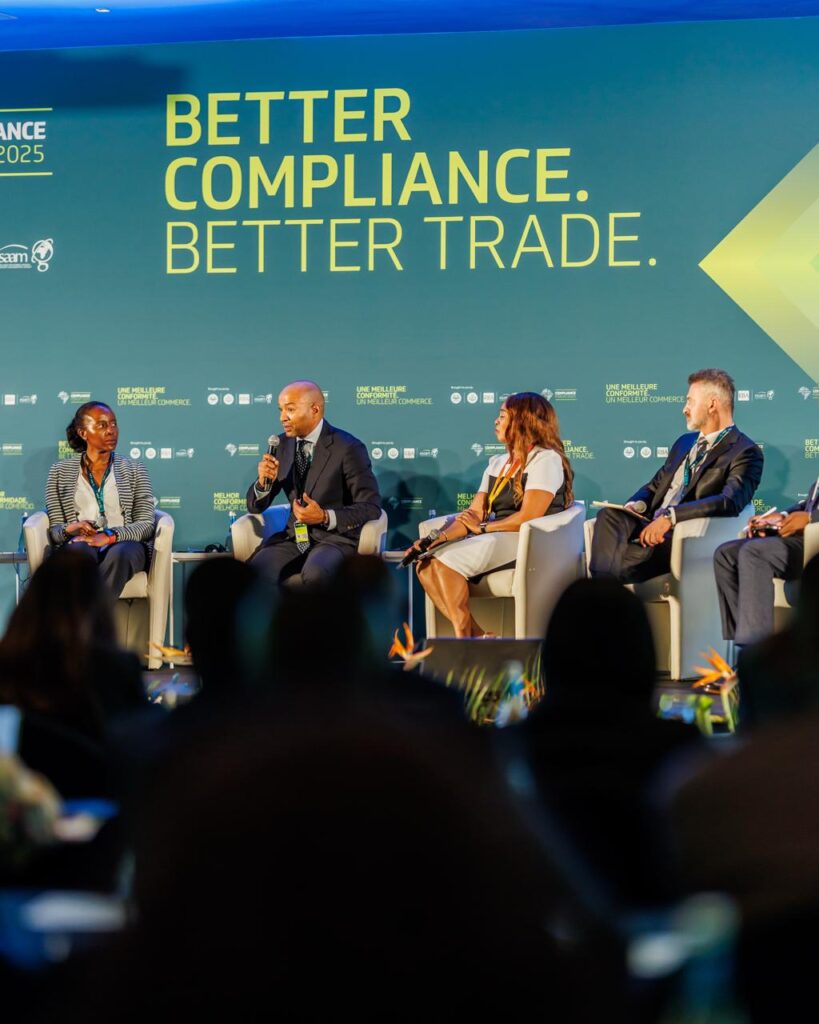
Kigali as a Hub for Compliance Innovation
Hosting the forum in Kigali underscores Rwanda’s emerging role as a leader in digital transformation and regulatory innovation. The city has become a preferred destination for high-level policy and financial dialogues, thanks to its strong governance, technological infrastructure, and commitment to integrity in public and private institutions.
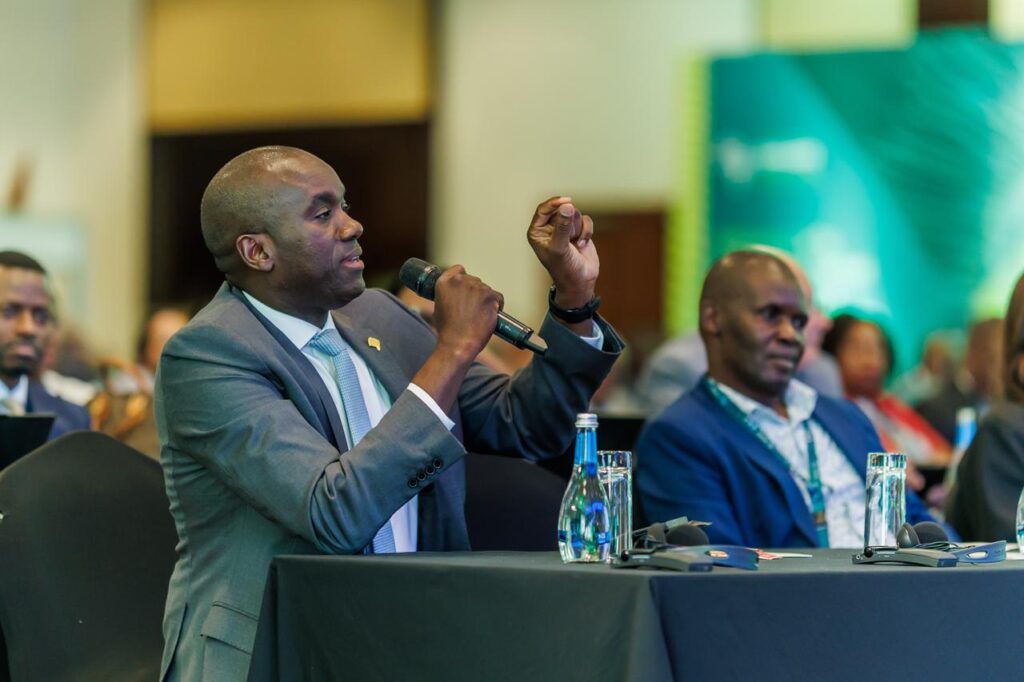
“For decades, compliance was largely viewed as a burden, a cost of doing business. But now it’s viewed as a growth enabler. Despite progress in creating digital payment systems and cross-border trade platforms, Africa’s trade within itself still accounts for only 15 percent of the continent’s total trade volume. Globally, Africa’s contribution remains below 5 percent,” said Carine Umutoni, Managing Director of Ecobank Rwanda.